
C
ClearView News

What is euphemistic expression?

Author

Emma Newman

Published Mar 09, 2026

What is euphemistic expression?

Euphemism Definition
The term euphemism refers to polite, indirect expressions that replace words and phrases considered harsh and impolite, or which suggest something unpleasant. For example, “kick the bucket” is a euphemism that describes the death of a person.

Likewise, what is an example of an euphemism?

Examples of Euphemism for Death

Passed away. Bought The Farm. Kicked the bucket.

Additionally, what are the 5 examples of euphemism? Examples of Euphemisms

  • Passed away instead of died.
  • Dearly departed instead of died.
  • Ethnic cleansing instead of genocide.
  • Negative patient outcome instead of died.
  • Collateral damage instead of accidental deaths.
  • Put to sleep instead of euthanize.
  • Pregnancy termination instead of abortion.
  • Bite the big one instead of die.

Simply so, what does euphemistic mean?

: the substitution of an agreeable or inoffensive expression for one that may offend or suggest something unpleasant also : the expression so substituted.

What is euphemism and give any 20 examples?

More Examples of Common Euphemisms

EuphemismMeaning
a few sandwiches short of a picnicmad
cognitively challengedstupid
didn't make ithas died
differently ableddisabled

What is a fancy word for lazy?

What is another word for lazy?
indolentslack
slothfulapathetic
unenterprisinginactive
lethargicworthless
loafinglackadaisical

What is the euphemism of lazy?

The words indolent and slothful are common synonyms of lazy. While all three words mean "not easily aroused to activity," lazy suggests a disinclination to work or to take trouble.

Why are euphemisms bad?

Euphemisms are fallacious because they are intentionally used to conceal the truth and obscure any real meaning; they are soft language used to mask or downplay warranted emotional force. Being ambiguous or vague in meaning brands euphemisms as a type of weasel word.

What are examples of oxymorons?

Common Oxymorons
  • Act naturally.
  • Alone together.
  • Amazingly awful.
  • Bittersweet.
  • Clearly confused.
  • Dark light.
  • Deafening silence.
  • Definitely maybe.

What is metonymy with example?

Metonymy is the use of a linked term to stand in for an object or concept. Sometimes metonymy is chosen because it's a well-known characteristic of the concept. A famous example is, "The pen is mightier than the sword," from Edward Bulwer Lytton's play Richelieu.

Why do we use euphemism?

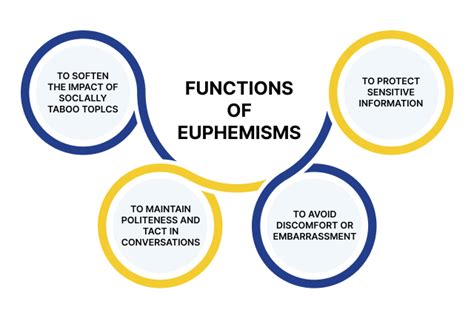
Euphemisms are substitutes for crude, hurtful, or otherwise offensive expressions. Because the purpose of euphemism is to disguise semantics and avoid saying what is meant, it has been called "the language of evasion, hypocrisy, prudery, and deceit," (Holder 2008).

What does hyperbole mean?

extravagant exaggeration

What does Touche mean in slang?

English Language Learners Definition of touché

—used to admit that someone has made a clever or effective point in an argument.

Is Frick a bad word?

So no, it is not “a swear.” It is a similar-sounding word substituted for a vulgar term, when using the actual vulgar term would be inappropriate.

What does metaphor mean?

A metaphor is a figure of speech that describes an object or action in a way that isn't literally true, but helps explain an idea or make a comparison. A metaphor states that one thing is another thing. It equates those two things not because they actually are the same, but for the sake of comparison or symbolism.

What does euphoria mean in English?

Euphoria ( /juːˈf?ːri?/ ( listen)) is the experience (or affect) of pleasure or excitement and intense feelings of well-being and happiness.

Is that a euphemism for something?

A euphemism (/ˈjuːf?m?z?m/) is an innocuous word or expression used in place of one that may be found offensive or suggest something unpleasant. Some euphemisms are intended to amuse, while others use bland, inoffensive terms for concepts that the user wishes to downplay.

What does allegory mean?

What Is an Allegory? The word “allegory” comes from the Latin “allegoria,” meaning speaking to imply something else. An allegory is a simple story that represents a larger point about society or human nature, whose different characters may represent real-life figures.

What does oxymoron mean?

An "oxymoron" is a figure of speech that has two contradictory or opposite words appearing side by side. So, basically, it's a combination of two words that really have opposite meanings, but we use them, you know, regularly in sentences and phrases.

What is the definition of juxtaposition?

: the act or an instance of placing two or more things side by side often to compare or contrast or to create an interesting effect an unusual juxtaposition of colors also : the state of being so placed contrasting shapes placed in juxtaposition to each other.

What does connotation mean?

Connotation is the use of a word to suggest a different association than its literal meaning, which is known as denotation. Connotations can be either positive, negative, or neutral. Writers often use different connotations to inject multiple layers of meaning into a word, phrase, or passage.

What is literary paradox?

The word “paradox” derives from the Greek word “paradoxons,” meaning contrary to expectation. In literature, a paradox is a literary device that contradicts itself but contains a plausible kernel of truth.

What is idioms in English examples?

Common English idioms & expressions
IdiomMeaningUsage
It's a piece of cakeIt's easyby itself
It's raining cats and dogsIt's raining hardby itself
Kill two birds with one stoneGet two things done with a single actionby itself
Let the cat out of the bagGive away a secretas part of a sentence

Why is oxymoron used?

What Is the Purpose of Oxymoron in Literature? Oxymorons can support a lighthearted mood or tone, as well as emphasize conflict. The juxtaposition of two opposing words can also: Add dramatic effect.

What is the effect of euphemism?

While euphemisms are generally used to avoid confrontation, avoid hurting people's feelings, or substitute for profanity, they are also used to mislead or obfuscate the real meaning of what is being said.

What is metaphor in literature?

A metaphor (from the Greek “metaphorá”) is a figure of speech that directly compares one thing to another for rhetorical effect. While the most common metaphors use the structure “X is Y,” the term “metaphor” itself is broad and can sometimes be used to include other literary terms, like similes.

What is personification in literature?

Personification is a literary device that uses the non-literal use of language to convey concepts in a relatable way. Writers use personification to give human characteristics, such as emotions and behaviors, to non-human things, animals, and ideas.

What is foreshadowing in literature?

Foreshadowing is a literary device used to give an indication or hint of what is to come later in the story. Foreshadowing is useful for creating suspense, a feeling of unease, a sense of curiosity, or a mark that things may not be as they seem. In the definition of foreshadowing, the word “hint” is key.

What is verbal irony?

Verbal irony is a figure of speech. The speaker intends to be understood as meaning something that contrasts with the literal or usual meaning of what he says.

What is literary irony?

The definition of irony as a literary device is a situation in which there is a contrast between expectation and reality. For example, the difference between what something appears to mean versus its literal meaning. Irony is associated with both tragedy and humor.