
C
ClearView News

How do you perform a patch test?

Author

Mia Ramsey

Published Feb 23, 2026

How do you perform a patch test?

Patch testing” is done by taping “allergens” under “patches” to your back and leaving them on for 48 hours. The patches are then removed, and under the areas examined for signs of a reaction. The back is then checked again two days later.

Moreover, what is patch test and how it is performed?

Patch tests can detect delayed allergic reactions, which can take several days to develop. Patch tests don't use needles. Instead, allergens are applied to patches, which are then placed on your skin. During a patch test, your skin may be exposed to 20 to 30 extracts of substances that can cause contact dermatitis.

Also Know, is patch testing painful? The patch testing procedure is simple and painless. In order to identify specific triggers, your doctor will tape several patches that contain various potential chemicals to the skin on the back. These chemicals are then left on the skin for 48 hours, and must remain dry during this time.

Similarly, how long does a patch test take?

However you choose to test, you normally need to wait at least 24 hours to see the side effects of a patch test – and in some cases, it'll be 48 hours. After the allocated period of time, you'll need to check for any signs of redness, itchiness or swelling.

What does a positive patch test look like?

Positive reactions range from mild redness with a little swelling to bright red, blistered skin, as seen below. What happens if I am not allergic to any of the tested substances? Negative results are common (~25%). Patch testing helps to narrow the potential allergens that are causing your reaction.

What allergens are tested in a patch test?

Based on the patch test results, our study identified metals (including nickel and cobalt) as the most common allergens. In addition to metals, the other common allergens identified included balsam of Peru, fragrance mix, carba mix, PG, ammonium persulfate (APS), preservatives, PPD, and minoxidil.

When do you read the patch test results?

Interpretation of patch test results

Reading of the test is preferably performed at day 3 or 4 plus at day 7 after test application for haptens that may show delayed reactions. At day 3, a weak erythema from the frames might be present in patients with sensitive skin.

What should I avoid before patch testing?

It is crucial that you avoid applying steroid/cortisone creams to your back or upper arms within one week prior to patch testing. All topical products, including Vaseline, lotions, creams, and ointments, should be avoided 24 hours before patches are applied.

Why is a patch test important?

A patch test applies a small amount of product to the skin which allows the client and the stylist to check the area for any signs of a reaction. You'll be able to identify an allergy before you're fully exposed to the products. Patch testing is for your safety and convenience.

How accurate is patch testing?

How reliable is patch testing? While generally reliable, patch testing is not foolproof. Sometimes there will be a false positive, which indicates an allergy when there is not one. The patient can also have a false negative in which the test fails to indicate an allergy that actually exists.

Can I eat before allergy test?

Antihistamines will block the skin test reaction.

o It is recommended you eat prior to skin testing.

Who needs a patch test?

If a client has not had a lash or brow tinting or perming treatment within the last 12 months, you must carry out a patch test. If you change any of the products you use in your hair, eyelash, eyebrow tinting and perming treatments you need to re-test clients 24 hours prior to their treatment.

Do you have to wait 48 hours before dying hair?

Allergic reactions to hair colourants are extremely rare. Of those individuals who have the potential to react to a hair colourant, potential reactions can be detected by carrying out the Allergy Alert Test, as directed, 48 hours before you wish to use the product.

Can I wash my hair after a patch test?

We will then ask you to apply a small amount of the hair dye mixture to the inside of your wrist, and advise that it should not be washed for the next 48 hours (unless an allergic reaction takes place).

Why do patch tests take so long?

If you experience more delayed reactions, then it can take longer. The patch test will also take more time if you don't respond to the more common allergens that we test first. We will then need to add new patches to see if you respond to one of the rarer allergy triggers.

Why do you have to wait 48 hours for a patch test?

Most allergic reactions will occur within 48 hours of skin exposure, hence the 48-hour window for the *hair dye patch test*.
Patch testing for Lash Lifting and Tinting is a must.

Do you need a patch test for individual lashes?

A patch test is a preventive procedure that should be carried out at home before using any eyelash adhesive. We strongly recommend carrying out a patch test on all of our adhesive products whether it is an individual lash adhesive you are using, or a strip lash glue – it is always best to trial it first.

Do I need a patch test for Balayage?

How Should I Prepare For My Balayage Hair Colour Appointment? Make sure you have a patch test 48 hours before your appointment. Make sure your hair is clean and don't over use products before you come in.

How do you use the Colorstart patch test?

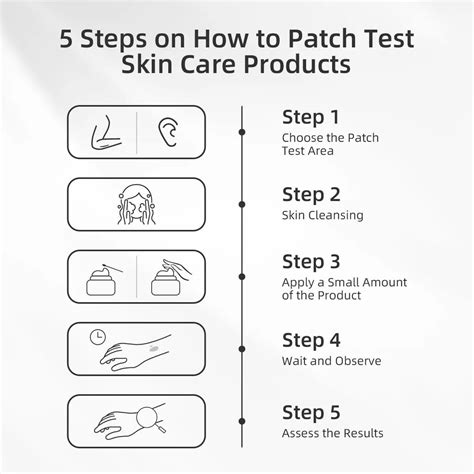
While holding the patch at the edge with your fingertips place it on the upper arm (above the elbow but below the shoulder) where you will be able to see the test results. The patch should be smoothed from the centre to the outer edges (see Figure 2).

Can you wear a bra during patch testing?

Wear an old bra or T-shirt for the week of the tests and wear a T-shirt or vest when you are sleeping, to protect the patches. Reattach a patch if it starts to peel off, stick it in place with medical tape. If a whole patch comes loose, remove it and note the time and date.

Can I shower with a patch test?

Showering, bathing or swimming is NOT allowed. Too much sweat or water will lift up the patches and make them loose contact with the skin, which will make the test useless. Day 3: You will return to our department to have the patches removed and have the skin marked with a marker. Any reactions will be noted.

Does patch testing leave scars?

Scarring - very rare (1 in 10,000). Allergy - very uncommon, you may become allergic to one of the substances applied during patch testing. If this happens, you will be advised how to avoid the substance.

What do you wear to a patch test?

?Do's & Don'ts for Patch Testing

Avoid sports, heavy physical work or anything that results in sweating during the week of testing. Wear an old bra or shirt for the week of the tests and wear a soft, non-abrasive shirt while sleeping to protect patches.

What do you do if you react to a patch test?

This usually involves dabbing a small amount of the dye solution behind your ear or on your inner elbow and leaving it to dry. Follow the instructions that come with the dye. If you develop any irritation or feel unwell after the patch test, do not use the product.

What happens if a patch test is negative?

A negative patch test result can be a good news/bad news situation for patient and dermatologist. Good news: The patient is not allergic to a host of allergens. Bad news: You don't know what's causing his contact dermatitis.

What substances are tested in patch test?

Patch testing is not the same as prick testing. Patch testing is used to detect allergic contact dermatitis (type IV hypersensitivity reaction). This includes allergy to hair dye, shoes, active ingredients, preservative and fragrances in sunscreens, cosmetics and medicaments.

Do you feel bad after allergy testing?

Skin testing is generally well tolerated. The most common reaction is local itching and swelling of the test site which resolves within a few hours. Other possible side-effects include itching of the eyes, nose, throat; runny nose, wheezing, light-headedness, hives and nausea.

Can allergy patch testing make you feel sick?

Although some patients have had skin reactions to the adhesive or to the aluminum chamber in some patch test systems, such reactions are very rare. Moreover, patch testing should not make you feel sick.